Methods
MAGDA combines structured diagnostics with team insight to understand how work actually happens — and where it slows down.
Rooted in established research and evaluation methods, the approach produces clear, data-informed recommendations.
The Seven Frictions
The MAGDA methodology analyses workflows through seven recurring sources of friction commonly observed across organisations
These frictions capture where work typically slows down, becomes unclear and inefficient, and requires unnecessary effort
They provide a structured lens for diagnosing problems and prioritising improvements
Diagnostic tools
To understand how work actually happens, MAGDA combines several practical diagnostic methods. Each method provides a different perspective — together they reveal patterns that are often invisible in day-to-day work.


Initial e-survey
Short and completed around other tasks
Establishes an organisation-wide baseline
Identifies patterns and potential friction points
Helps focus the interviews


Key Informant Interviews
Add depth and context to the e-survey results
Conducted across different roles and all levels of seniority
Understand and map workflows
Conducted across different roles and levels of seniority
Focus Group Discussions
Bring teams together to compare perspectives
Surface shared experiences and recurring challenges
Validate patterns across teams and roles
Build shared understanding of the challenges


Co-creation workshops
Present preliminary findings
Turn insights into practical improvement ideas
Brainstorm, co-create and prioritise solutions that will suit the organisation
Ensure proposed changes are realistic and workable
Build shared understanding, engagement and ownership early


Systems and tools review
Review existing tools and platforms
Identify duplication, inefficiencies or unnecessary complexity
Assess alignment between systems and workflows
Highlight opportunities for simplification


Client-facing analysis
Review how clients interact with the organisation
Assess external resources (website, app, support channels)
Identify possible friction or drop-off points
Highlight opportunities to improve client experience
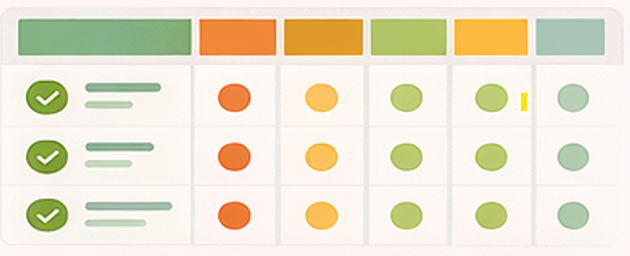
Insights from the diagnostic are synthesised into a clear traffic-light assessment matrix:
Each friction is assessed across key workflows
Patterns and root causes are identified
Areas of greatest impact become visible
A small number of priorities are selected based on impact and feasibility
This matrix becomes the decision tool for what to improve first.
Assessment and prioritisation


MAGDA isn't just a diagnostic tool - it's a personable experience supporting organisations through the change process.
Coaching through implementation
Progress tracking
Monthly check-ins after completion
Adapting solutions where needed
Ensuring sustained change
Ongoing support
Diagnostic tools

Initial e-survey
Short and completed around other tasks
Establishes a broad baseline
Identifies patterns and hotspots
Informs interview focus


Key Informant Interviews
Add depth and context to e-survey
Conducted across all levels of seniority
Understand and map workflows
Explore strategy vs reality
Focus Group Discussions
Bring teams together to compare perspectives
Surface shared experiences
Validate patterns across teams and roles
Build shared understanding of the challenges
MAGDA combines multiple sources of insight to build a reliable picture of how work actually happens.
Initial e-survey
Short and completed around other tasks
Establishes a broad baseline
Identifies patterns and hotspots
Informs interview focus
Key Informant Interviews
Add depth and context to e-survey
Conducted across all levels of seniority
Understand and map workflows
Explore strategy vs reality
Focus Group Discussions
Bring teams together to compare perspectives
Surface shared experiences
Validate patterns across teams and roles
Build shared understanding of the challenges
Let's connect
Reach out for support or questions anytime.
CONTACT FORM
magda@magdaframework.com
© 2026. All rights reserved.